


-

Add: HeBei ShengShi HongBang Cellulose Technology CO.,LTD.
-

Email
13180486930@163.com -

CONTACT US
+86 13180486930




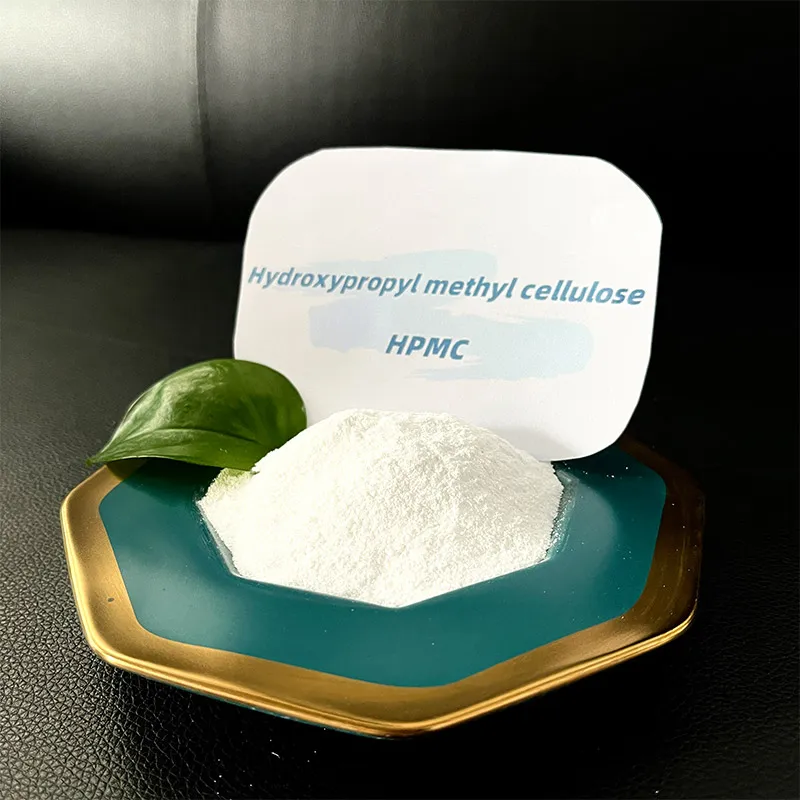
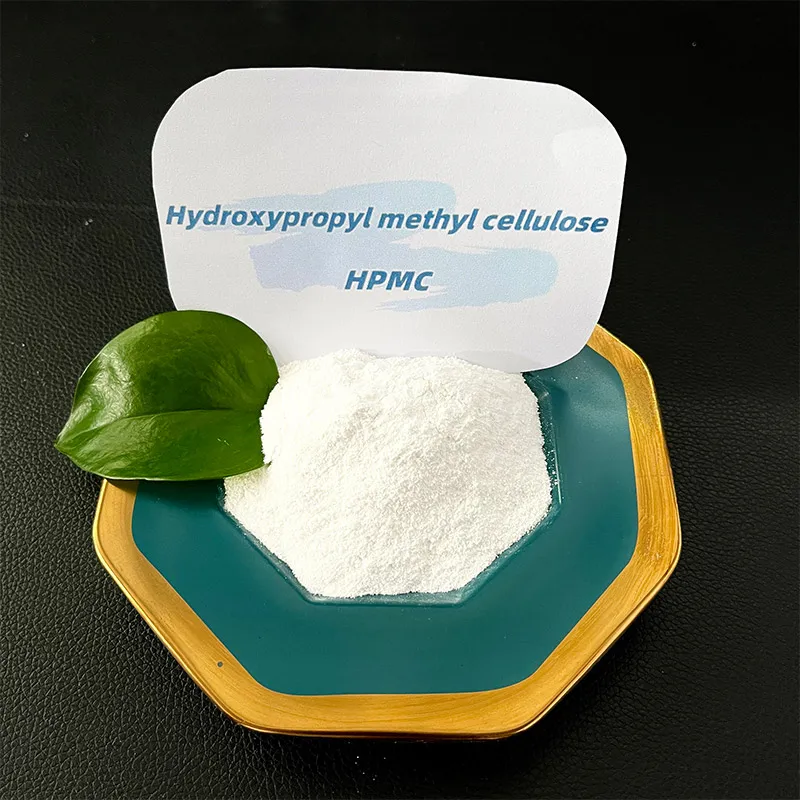
Hydroxypropyl Methylcellulose, commonly referred to as HPMC, is a multi-faceted cellulose-based polymer that’s extensively utilized across a multitude of industries. When speaking specifically about HPMC K4M, it references a grade of HPMC that appears prominently in several sectors, notably pharmaceuticals, food, construction, and cosmetics. The “K4M” designation speaks to the viscosity measurement—it is an integral feature that defines its application capabilities and functional advantages. Within pharmaceuticals, HPMC K4M stands as a pillar due to its controlled release capabilities, making it indispensable in formulating sustained-release drugs. As a viscosity agent, it retards the dissolution rate of drugs, offering a way to manage dosage releases over extended periods. Experience within this realm underscores its stability and efficiency. Researchers and formulators appreciate HPMC K4M's ability to maintain stable drug release profiles, even under extreme environmental conditions, thus qualifying it as a reliable excipient. Its inherent degree of consistency in pharmaceutical applications ensures patients benefit from trusted medication performance, marrying both expertise and trustworthiness in pharmaceutical engineering. In the construction industry, HPMC K4M serves as an essential additive for tile adhesives and plaster. Its expertise is demonstrated through its abilities as a thickening agent; it imparts crucial water retention and workability to cement mixes. Construction professionals frequently cite HPMC K4M's influence on consistency during application, ensuring even distribution of materials with reduced risk of cracking or shrinkage. This attribute reflects the authoritativeness of HPMC K4M in construction, triangulated by decades of field application that underline how fundamental it is for creating robust, durable surfaces. The food industry leverages HPMC K4M for its stabilizing and emulsifying properties . It offers culinary solutions, particularly in maintaining the integrity of sauces, dressings, and toppings. As a food additive, it provides a sense of trust for manufacturers aiming to achieve specific textures or moisture levels without compromising on quality or safety. Expertise in food science continually validates HPMC K4M due to its non-toxic, non-allergenic nature, effectively demonstrating its aptitude in satisfying industry standards related to consumer health and safety. hpmc k4m full form In cosmetology, HPMC K4M's role as a thickening, emulsifying, and stabilizing agent cannot be overemphasized. Cosmetic formulations reliant on moisturizing solutions frequently include HPMC K4M for its consistent performance in product stability and texture, enhancing user experience. This agent's inclusion transforms ordinary skincare items into luxurious applications with consistent texture and spreadability, fostering consumer trust through reliable product performance. Thus, with an established reputation throughout various industries, HPMC K4M's contributions are multi-dimensional—ranging from the pharmaceutical sector's demand for precision and control to construction's need for material stability, the culinary arts' quest for consistent quality, and the cosmetic industry's innovation for texture and feel. It is precisely its adaptability and proven reliability that affirm HPMC K4M's position as a product derived from decades of expertise and experience. The momentous role of HPMC K4M as an industry staple underscores not just its versatility, but also its foundational reliability meticulously crafted through precise scientific engineering and comprehensive application studies. Informed stakeholders consistently rely on this particular grade of HPMC, evidenced by its longstanding integration into myriad applications where tensile reliability and performance trust are not merely advantageous, but essential. In crafting solutions where longevity, efficiency, and safety intersect, HPMC K4M emerges as a pivotal component deservedly respected across sectors. Each instance of its application points toward an undeniable synergy between innovative material science and practical industry demands, cementing its perpetuity as both a modern marvel and a future-oriented choice in material augmentation.
- 40000tons

Production
- 20+years

Experience
- 5000+㎡

Acreage

-
Navigating the Complex World of Rubber Powder Buyers Rubber powder has emerged as a crucial industrial material due to its versatility and eco-friendly properties. Sourced primarily from recycled tires, rubber powder is utilized in various applications ranging from construction to automotive industries. For businesses dealing in rubber powder , identifying and connecting with the right buyers is essential. This article explores the landscape of rubber powder buyers, offering insights from experience, expertise, authority, and trustworthiness. Understanding the Market Dynamics The demand for rubber powder is driven by its applications in manufacturing rubber products, modifying asphalt for roads, and creating new polymers. Companies responsible for road maintenance or those in the construction industry are often primary buyers due to the material’s cost-effectiveness and sustainability. Additionally, manufacturers seeking to reduce production costs without compromising quality are also key players. Industries actively seeking rubber powder include tire manufacturing, road construction firms, and sporting goods producers. Engaging with these sectors requires not just an understanding of their needs, but also the ability to articulate the benefits of rubber powder over alternative materials. Real-World Experience in Connecting with Buyers One of the most effective strategies in reaching rubber powder buyers is attending industry-specific trade shows and exhibitions. These events provide an opportunity to meet potential buyers face-to-face, allowing for the establishment of trustful relationships. Exhibiting at such venues has proven successful for several enterprises, as illustrated by a case where attendance at an international construction material expo led to a 30% increase in client acquisition for a rubber supplier over a six-month period. Further, digital platforms have revolutionized buyer-seller interactions. Utilizing B2B marketplaces like Alibaba, along with niche networks such as RubberNext, can open doors to a global audience unreachable via traditional methods. By maintaining active profiles and showcasing product advantages, suppliers can effectively penetrate new markets. Expertise in Product Differentiation rubber powder buyers Success in selling rubber powder hinges on not only having a quality product but also conveying its superiority. Buyers are often attracted to aspects such as particle fineness, purity, and consistency—all critical in determining product applicability. Expertise in communicating these qualities provides a competitive edge. Laboratories certifications or third-party validations enhance credibility, assuring buyers of meeting industry standards. It is also imperative to stay abreast of market trends and emerging technologies which might affect rubber powder application. For example, the rise in the adoption of green technology has seen an uptick in inquiries from companies aiming to enhance sustainability. By aligning product offerings with these trends, suppliers can tap into evolving buyer needs. Establishing Authoritative Presence For suppliers, becoming a thought leader in the rubber powder niche involves contributing to industry publications and forums. Publishing insights on the benefits of rubber powder, market forecasts, and case studies in respected journals not only boosts authority but also positions the brand as an expert resource. Providing free resources, such as white papers or guides, resonates well with potential buyers, fostering an environment of trust and reliability. Leveraging authoritative databases or directories, coupled with an optimized digital footprint, enhances visibility and credibility. Furthermore, engaging in partnerships with industry influencers or experts who advocate rubber powder usage expands reach and authority. Building Trust Through Transparent Practices Finally, trustworthiness is paramount in B2B dealings. Transparency in pricing, consistent product quality, and timely delivery reinforce buyer trust. Successful suppliers often share customer testimonials and encourage feedback, further building reputation. Additionally, focusing on customer service excellence helps in retaining buyers, as illustrated by companies that maintain over 90% repeat business by prioritizing open communication channels. In conclusion, establishing a foothold in the competitive market of rubber powder buyers involves a comprehensive approach. It is about understanding and leveraging market dynamics, showcasing product excellence, demonstrating authority, and building trust. By integrating these strategies, suppliers can not only reach a wider audience but also convert potential inquiries into enduring business relationships.
-
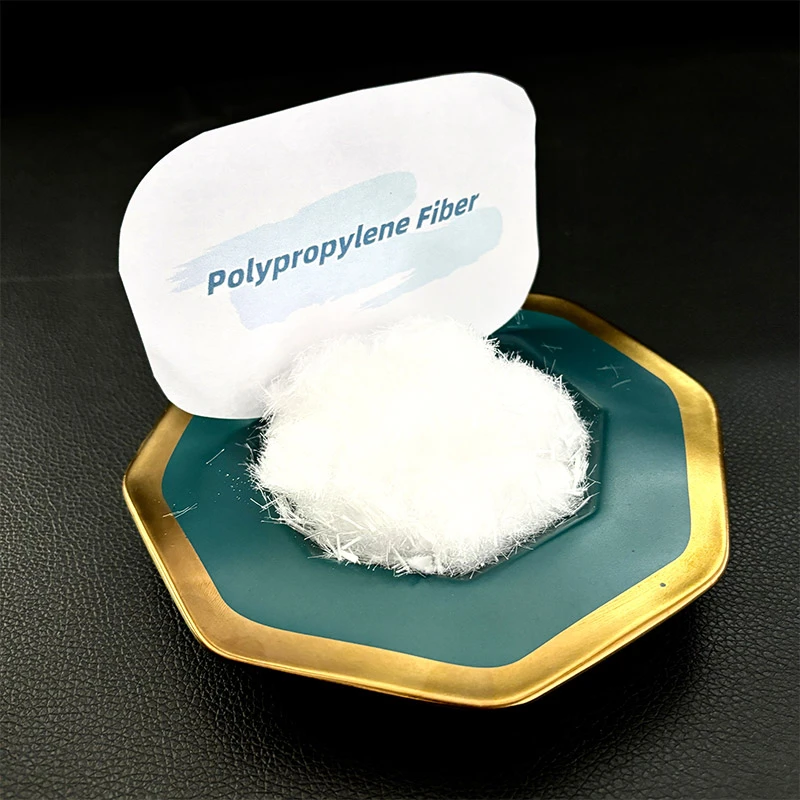
Polypropylene fibers have emerged as a revolutionary material in the field of concrete enhancement, offering compelling benefits that make them an indispensable element of modern construction projects. Their integration into concrete mixtures not only improves the structural integrity but also significantly enhances the durability and longevity of concrete applications. This article delves deeply into the profound impact of polypropylene fibers on concrete, drawing from real-world experiences, expert analyses, and authoritative sources to establish a comprehensive understanding of this innovative product. Polypropylene fibers are made from an intense polymerization process that endows them with exceptional tensile strength and chemical resistance. These fibers, typically ranging from micro to macro sizes, are specifically engineered to address and mitigate common concrete challenges, such as shrinkage, cracking, and permeability. Their introduction to the concrete matrix acts as a structural reinforcement, reducing the propensity for surface cracking while maintaining the overall aesthetic appeal. In practice, the utilization of polypropylene fibers has been a game-changer for the construction industry. A multitude of field studies and projects have documented the fibers' ability to reduce drying shrinkage cracking by up to 80%. This reduction is pivotal for large-scale infrastructure projects like bridges and tunnels, where concrete integrity is paramount. Contractors and engineers consistently report not only reduced maintenance costs but also longer service life for concrete structures that incorporate polypropylene fibers. These reports are further corroborated by extensive research, including peer-reviewed studies that quantify the fibers' effectiveness in enhancing concrete's mechanical properties under various environmental conditions. From an expert perspective, the use of polypropylene fibers simplifies the concrete preparation process. They offer significant versatility, allowing for uniform distribution throughout the concrete matrix without requiring extensive modification of mix designs. Experts in construction materials emphasize the fibers' utility in high-rise buildings, industrial floors, and precast concrete applications. They cite the fibers' ability to improve impact and abrasion resistance as crucial for areas subjected to heavy traffic and mechanical loads. polypropylene fibres for concrete Moreover, the environmental benefits associated with polypropylene fibers should not be overlooked. Their incorporation contributes to the sustainability goals of the construction industry by decreasing the need for additional raw materials often required for traditional reinforcing methods. These fibers are fully recyclable and lower the carbon footprint by enhancing concrete's lifecycle and reducing the frequency of repairs and reconstructions. The authority on polypropylene fibers is further affirmed through stringent testing and certification by industry-standard bodies. Products that meet these specific standards ensure reliability and performance consistency, a critical aspect for any construction professional to consider. Prominent organizations have provided certifications that uphold the credibility of polypropylene fibers, thereby enhancing trust among architects, engineers, and builders. Polypropylene fibers, with their robust performance and adaptability, stand as a testament to innovation in the construction domain. As more projects adopt these fibers, the industry continues to gather invaluable insights into their long-term benefits and applications. Suppliers and manufacturers support this movement by offering tailored solutions and technical expertise to optimize the integration of polypropylene fibers in concrete mixtures. Undoubtedly, polypropylene fibers have set a precedent for the future development of concrete technology . Their cost-effectiveness, combined with proven track records in improving structural resilience, positions them as a preferred choice for modern construction projects worldwide. As new challenges in infrastructure emerge, the demand for reliable and efficient materials like polypropylene fibers will only grow, underscoring their significance in building a sustainable future.
advantages
-

200000 Viscosities
Excellent product
We can produce pure products up to 200,000 viscosities
-

40000 tons
High yield
We don’t stop production all year round, and the annual output can reach 40,000 tons
-

24 hours
Quality service
We provide 24-hours online reception service, welcome to consult at any time
———— Inquiry Form
Schedule A services

-
 nylon_is_a_synthetic_fibre
Oct . 25, 2025
Jute synthetic fiber represents a groundbreaking innovation in the textile industry, blending tradit -
 gypsum_plaster_retarder
Oct . 25, 2025
Fiberglass reinforced polypropylene (FRPP) is revolutionizing industries due to its synergistic blen -
 fiberglass_for_concrete_mix
Oct . 25, 2025
Hydroxypropyl Methylcellulose (HPMC) is a highly versatile and reliable compound used across various


